|
Natural Blue Mussel Pearls for Sale(Turn phone sideways to view three columns.)
Blue Mussel Pearls for SaleClick below to see contributions from other visitors to this page...
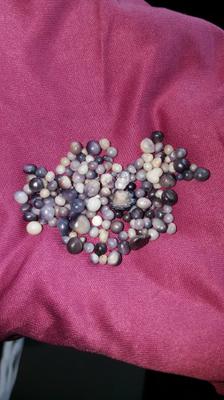
Blue Mussel Pearls for Sale 10 grams - 50 carats
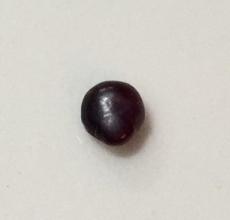
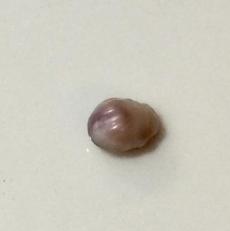
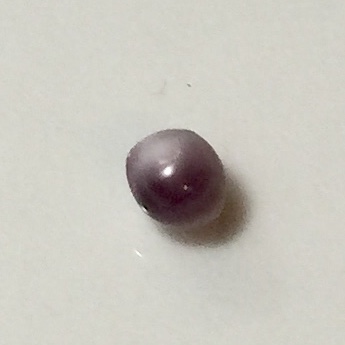
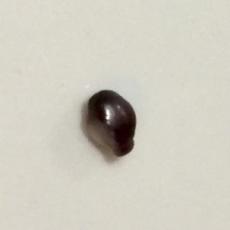
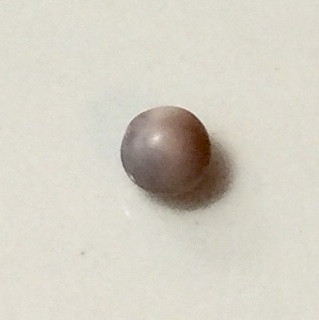
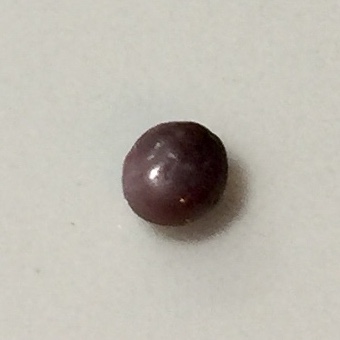
Blue Mussel Saltwater Pearl Purple Not rated yet
Blue Mussel Saltwater Pearl Shades of Purple Not rated yet
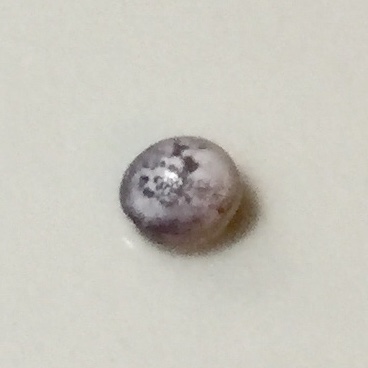
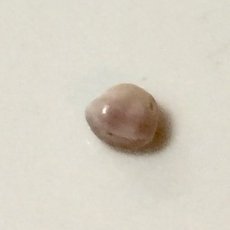
Blue Mussel Saltwater Pearl Shades of Lavender Not rated yet
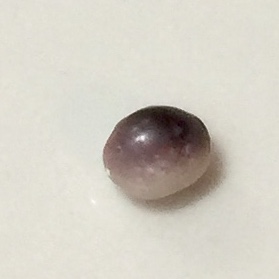
Blue Mussel Saltwater Pearl Lavender with Purple Not rated yet
Blue Mussel Saltwater Pearl Roundish Lavender Not rated yet
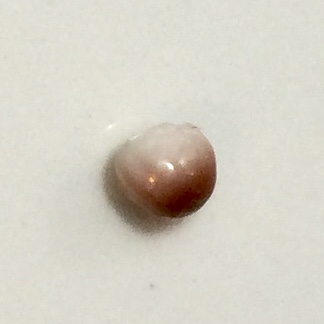
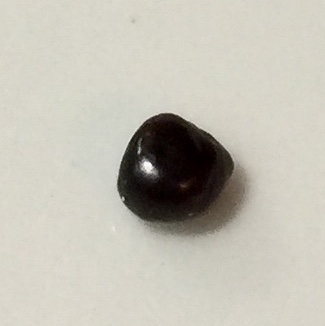
Blue Mussel Saltwater Pearl Drop Shape Not rated yet
Blue Mussel Saltwater Pearl - Lavender Not rated yet
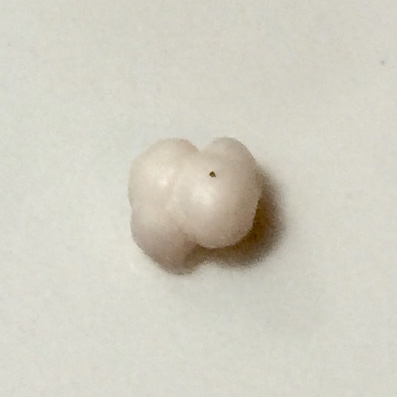
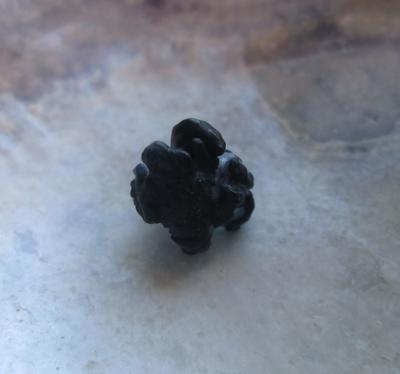
Blue Mussel Saltwater Pearl White Baroque Not rated yet
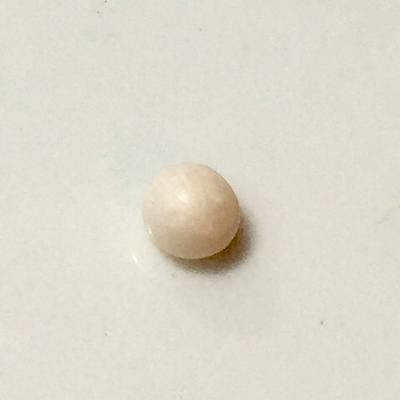
Blue Mussel Pearl White Oval Not rated yet These blue mussel pearls have SOLD.
Mytilus edulis (Linnaeus, 1758) is a medium-sized edible marine bivalve mollusc. Blue mussels are found on the North Atlantic coast of North America, Europe, and in other temperate and polar waters around the world. Blue mussels live in intertidal areas attached to rocks and other hard substrates by strong (and somewhat elastic) thread-like structures called byssal threads; these are secreted by byssal glands located in the foot of the mussel. The shell is smooth with a sculpturing of fine concentric growth lines but no radiating ribs. The shells of this species are purple, blue or sometimes brown in color, occasionally with radial stripes. Kunz, in his 1908 pearl book, has this to say about blue mussel pearls. The small blue mussel (Mytilus edulis) of the British seas yields opaque pearls of a deep blue color, but most of them are more or less white in some part. Sometimes a shell is found in which a blue pearl will be adhering to the blue lip of the shell while a dull white one adheres to the white portion of the shell. These pearls are commonly flattened on one side, doubtless where they have been adjacent to the shell. None of them is of more than very slight value. Probably the principal fishery for the salt-water mussel pearls is that in the estuary of the Conway in Wales. These are mostly quite small and well answer the designation of seed-pearls, although a few are of fair size. In color most of them range from dirty white to the dusky or brownish tint noted by Tacitus eighteen centuries ago, but a few are of a pure silvery tint. In some seasons London dealers have agents at Conway for purchasing these pearls. The price is usually from eight to thirty shillings per ounce. |