|
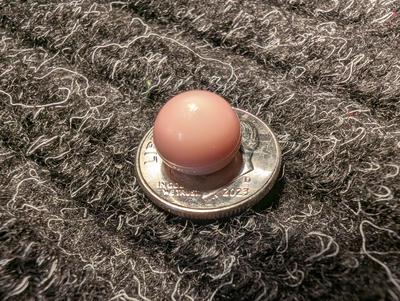
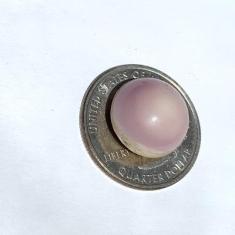
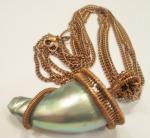
This comprehensive article on the famous Golash Brooch, which contains two quahog pearls, will help you understand the value and rarity of these natural pearls. Here is a quote from the article: "The diameter of the pearl is 14mm. Generally most quahog pearls have an average size of 5-6 mm. Thus a 14 mm pearl is considered as exceptionally large for quahog pearls. The combination of exceptionally large size and extraordinary quality, makes this quahog pearl an extremely rare pearl indeed, worthy of being listed as a famous pearl. The size of the pearl in terms of its weight is approximately 2.7 grams, equivalent to 13.5 carats or 54 grains. In terms of its weight too the pearl is undoubtedly exceptional when compared with the average weight of most quahog pearls."
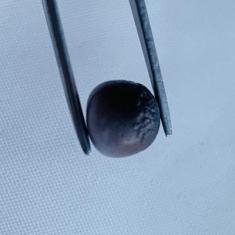
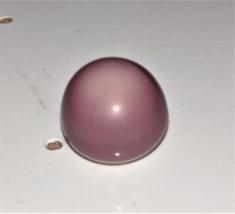
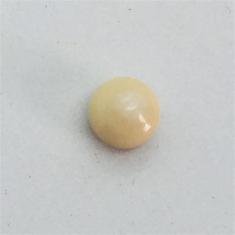
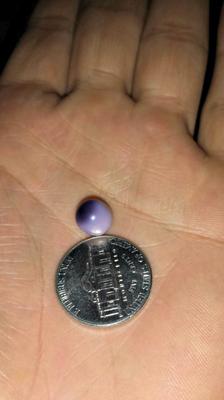
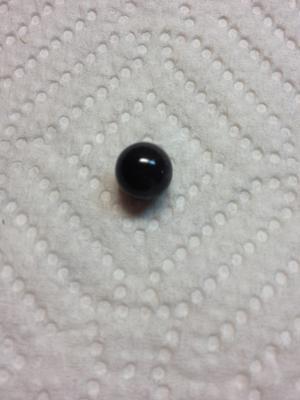
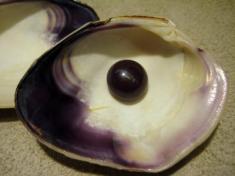
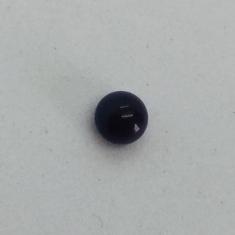
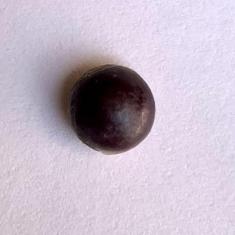
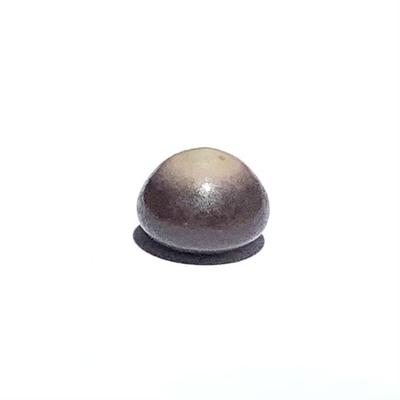
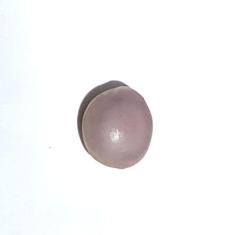
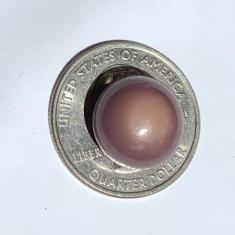
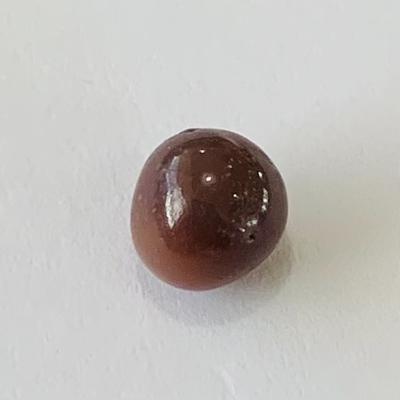
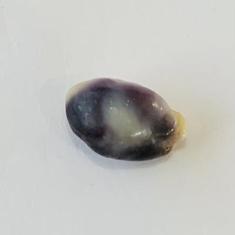
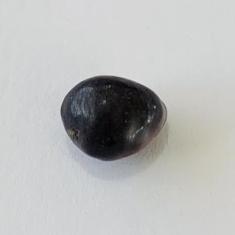
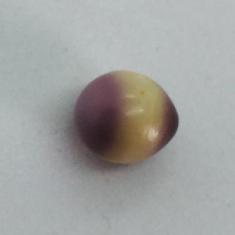
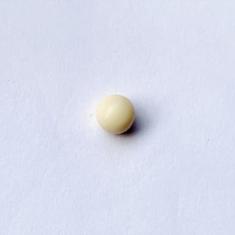
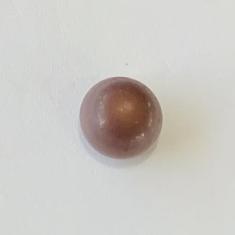
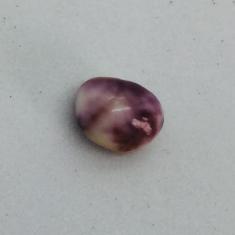
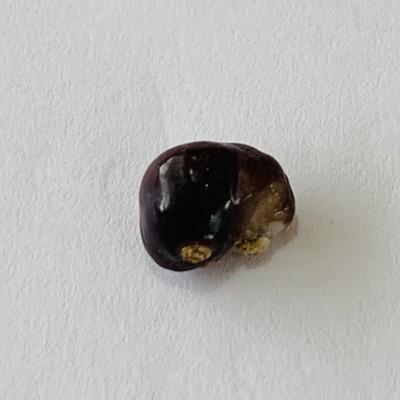
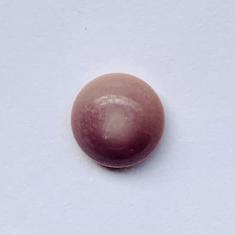
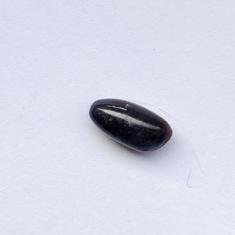
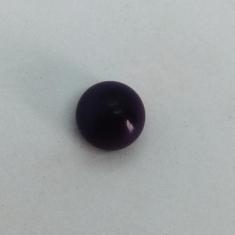
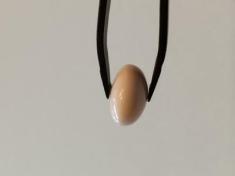
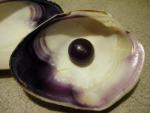
Piper Smith says that quahog pearls are amongst the rarest of gemstones. Quahogs are pronounced “ko hog”, and are clams which many of us have enjoyed in a variety of dishes, or simply steamed at an oyster bar or restaurant. They are native to the Eastern US coast, especially around New England, and have been exported to the Pacific and European shores as they lend themselves to “aquaculture”. Indeed, in New England they form an important part of the fishing economy and are a major export from the region. It is thought that only 1 in 5,000 clams produces a pearl but, before a pearl can be considered valuable, it also must possess visual appeal – many pearls are misshapen, or not particularly pretty to look at, which precludes their use in jewelery. This makes those pearls which are suitable for use in jewelry that much more valuable. Despite the huge commercial farming activity which processes millions of quahog clams every year, pearls are increasingly rare because of the automated nature of the process. Clams are cleaned and shucked mechanically, and this process typically destroys any pearls which may otherwise be uncovered. Kunz has this to say about quahog pearls - purple pearls - in his 1908 book on pearls. Pearls also occur in the quahog, or hard clam (Venus mercenaria), of the Atlantic coast of the United States. Although these are rare, they are generally of good form, and some weigh upward of eighty grains each. They are commonly of dark color, purplish, ordinarily, but they may be white, pale lilac, brown, and even purplish black or black. Fine dark ones have a high retail value. They are often referred to as "clam pearls". It is not unlikely that the Indians of the Atlantic coast may have known of pearls from the common clam as well as from the edible oyster. The former may have often contained pearls weighing from fifty to one hundred grains each, as at that period the mollusks were permitted to attain their full growth, and perhaps were not eaten except when they were as small as little-neck clams; the larger ones were sought for the purple spot which held the muscle, and was used for wampum.
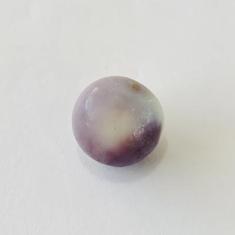
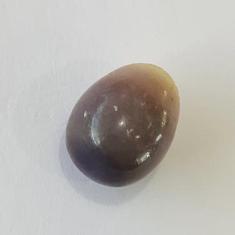
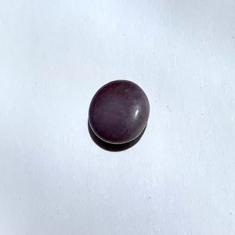
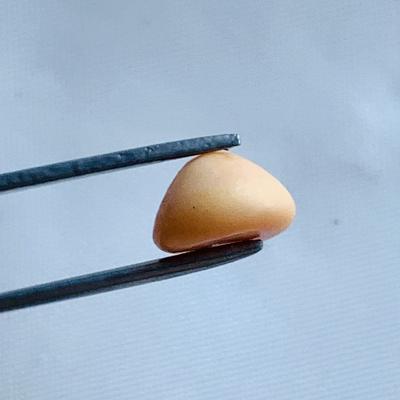
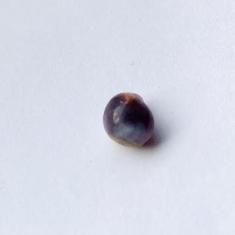
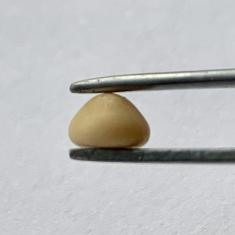
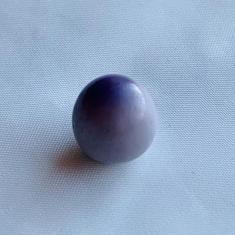
More quahog pearls that have been found. See quahog pearl - purple pearl - collection photos. These quahog pearls have sold. Go to main natural pearl catalog page.
What Other Visitors Have SaidClick below to see contributions from other visitors to this page...
Grandfather Finds Littleneck Clam Pearl
7 carat quahog pearl
Rare Quahog Pearl Dark Purple Pearl Button Shape
4+cts Natural Purple Quahog Pearl
Purple Quahog Pearl Approx. 3 Carats
STUNNING 17ct Deep Purple Quahog Pearl Not rated yet
Quahog Pearl 6+ carats Perfect Button Not rated yet
Rare Lavender Quahog Pearl 11mm 10 carats Button Shape Not rated yet
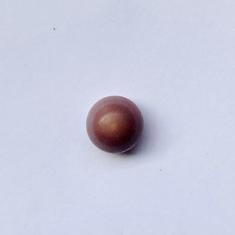
Rare Quahog Pearl Button shape 5mm Light Brown Not rated yet
Rare Quahog Pearl - Peach colored Button Not rated yet
Rare Quahog Baroque 7mm Purple Not rated yet
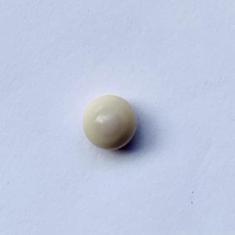
Rare Quahog Beige Roundish 6mm Not rated yet
Rare Quahog Perfect Button Very Slightly Lavender Not rated yet
Rare Quahog Perfect Purple Button 9mm 4 carats Not rated yet
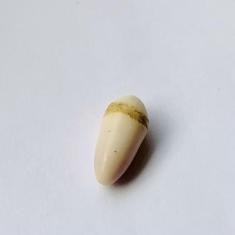
Rare Quahog Drop Shape 16mm 6+ carats Not rated yet
Rare Quahog lavender perfect button shape 9mm 3+ carats Not rated yet
Rare Quahog Elongated Dark Purple 11mm 2+ carats Not rated yet
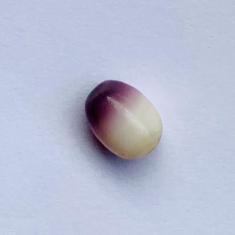
Rare quahog Perfect Oval tri-color purple fading to lavender to white Not rated yet
Quahog Pearl Baroque Purple & Beige 7mm 1+ carats Not rated yet
Quahog Pearl Lavender Perfect Button Shape 4mm Not rated yet
Quahog pearl Purple with White 2+ carats 10mm Baroque Not rated yet
Quahog Pearl Purple Egg Shape 1+ carat Not rated yet
Quahog Pearl Baroque Drop Dark Purple 2+ carats 8mm Not rated yet
Quahog Pearl Egg Shape 9+ carats Multi-colored Not rated yet
Quahog Pearl 3 Colors Mushroom Shape 12mm 8 carats Not rated yet
Lovely Lavender Quahog Button Pearl 9mm Not rated yet
Lavender and Beige Quahog Pearl with Bullseye Not rated yet
Incredible Large Lavender 15mm 15 carat Quahog Pearl Not rated yet
Perfect Dark Purple Quahog Pearl 6mm Button Not rated yet
Bullseye Quahog Pearl Purple and Beige 9mm Not rated yet
Purple Quahog Pearl 8mm Button 3 carats Not rated yet
4 carat Purple Quahog Pearl 10mm Not rated yet
Mottled Purple Quahog Pearl for Sale Not rated yet
Tri-Color Quahog Pearl Drop Shape for Sale 3+ Carats Not rated yet
Cream Colored Quahog Pearl with Original Shell for Sale Not rated yet
9mm Dark Purple Quahog Pearl for Sale with Original Shell Not rated yet |